Gutter installation and repair
Layout, joints, outlets and downspouts determine how water leaves the roof edge. Damaged fascia can widen the work.
Explore the details
Find help for a leak, storm damage or a planned roof project. If you are not sure which service you need, a free inspection is a good place to begin.
When water is entering the house, the immediate concern is protecting the space below and locating the opening above it. A roofer checks whether temporary protection is possible, then works out the permanent repair. The stain’s position alone doesn’t settle the cause because water can travel before it becomes visible indoors.
A planned project has more room for comparing options. The condition of the covering, its repair history, the deck and the details around it determine whether another repair is worthwhile. If replacement is needed, material selection and the work beneath the surface should be explained together.
You don’t need to choose a technical category correctly to ask for help. Tell us whether the roof is leaking, has visible damage, or is simply due for a closer look. The inspection starts from that concern.

A roof repair can involve a few damaged shingles, flashing along a wall, a plumbing vent boot or a larger section where adjoining layers have deteriorated. The lasting connection to the existing roof matters as much as the new piece. Brittle shingles, wet decking or an incompatible repair material can widen the work.
Leak repair focuses on the route water takes into the building. Storm repair adds another question: how far hail impacts or wind damage extend across the roof. The same visible stain can lead to different scopes, so these services begin with inspection rather than a diagnosis from the ground.
A shingle, flashing or vent repair addresses the failed detail and adjoining connections. Explore roof repair for the conditions that make a local repair workable.
Water can move along the roof structure before appearing indoors. Leak repair focuses on locating the entry path and rebuilding it correctly.
Hail and wind damage require a closer look at the covering and affected slopes. Storm repair separates physical findings from insurance coverage decisions.
An active leak or exposed roof needs immediate attention to the space below and safe temporary protection when possible. Emergency roof repair explains that first stage without promising a response time.
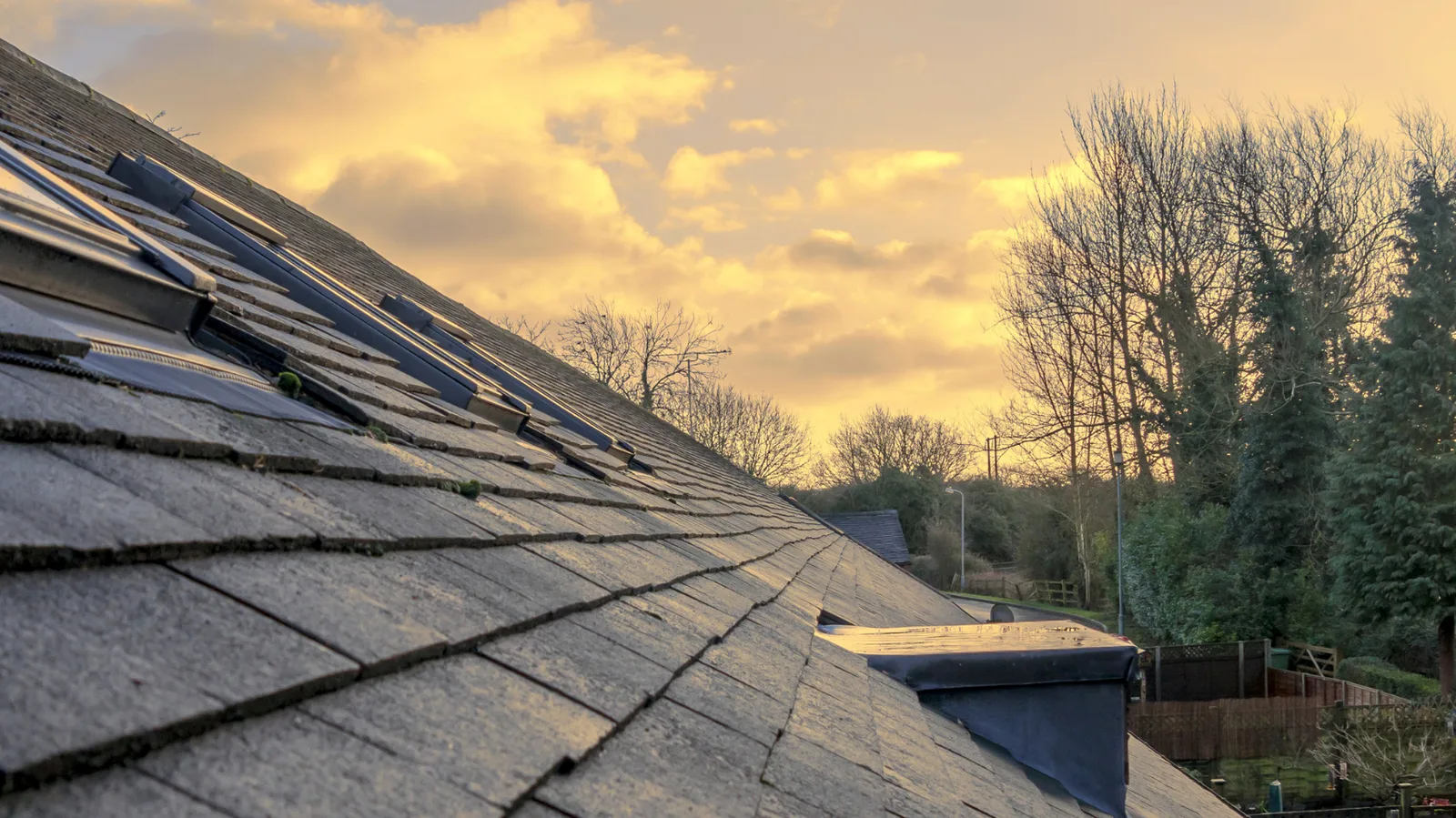
Architectural shingles offer a familiar roof profile with many color choices. Standing seam metal creates a different appearance and uses different fastening and movement details. Both need underlayment and flashing suited to the assembly; neither makes a poor roof-to-wall connection harmless.
A replacement proposal should make the tear-off, decking provisions, edge details, penetrations and ventilation work understandable. Choosing a covering first and leaving those items vague makes it harder to know what the project actually includes.
Plan tear-off and the complete replacement assembly, including provisions for concealed decking and existing roof details.
Compare shingle construction, profile, repair compatibility and the installation system underneath.
Understand standing seam and exposed-fastener details, panel movement, transitions and substrate requirements.
Some roof problems involve the systems at its edges or beneath the covering. Include those connections when planning repairs or replacement rather than treating every visible symptom as a shingle problem.
Layout, joints, outlets and downspouts determine how water leaves the roof edge. Damaged fascia can widen the work.
Explore the detailsIntake and exhaust need a clear path through the attic. Adding a vent without considering that balance can leave the underlying problem unchanged.
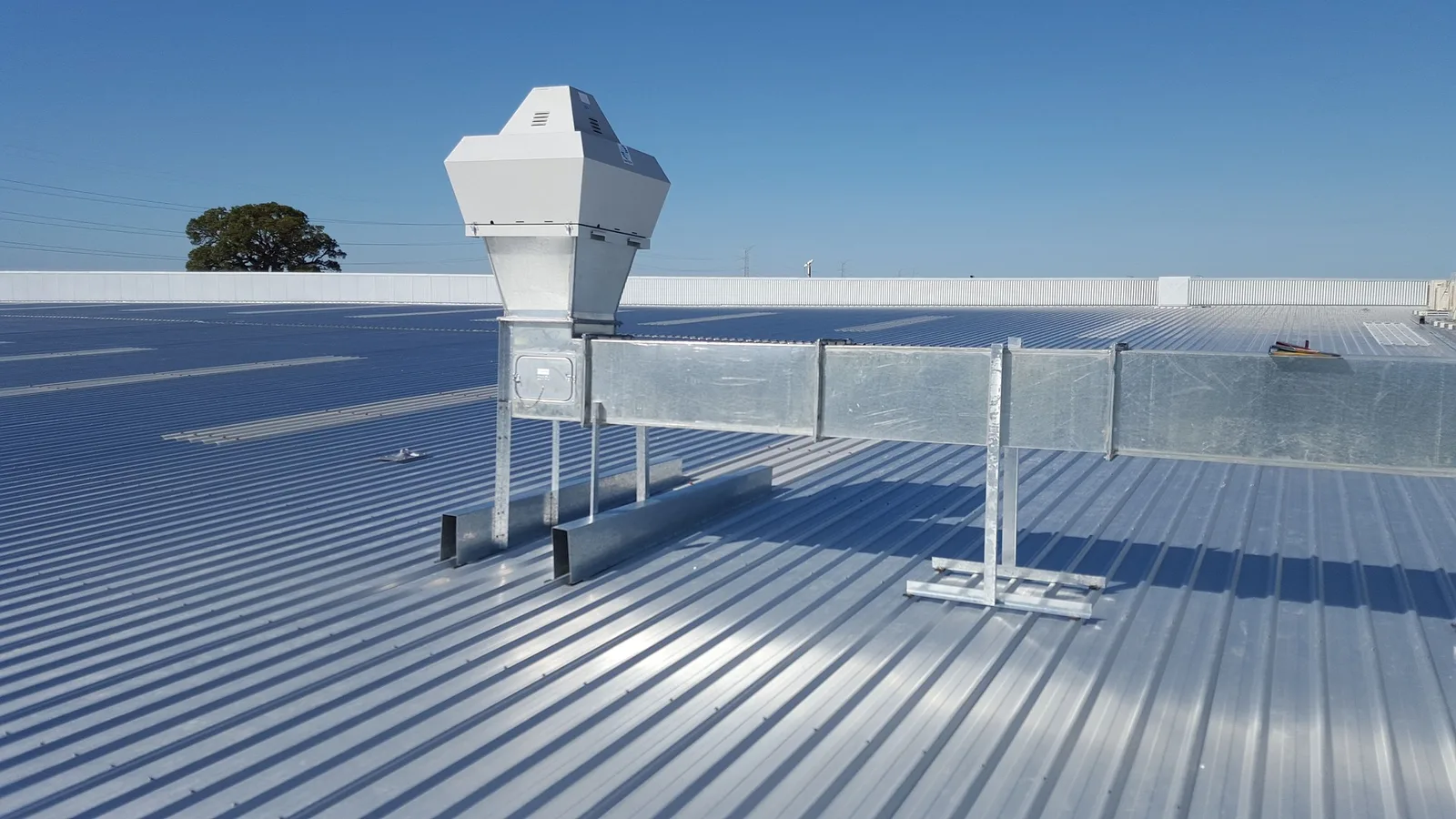
Explore the detailsOn a low-slope roof, an open membrane seam, a damaged equipment curb and a drainage problem are different repairs. Water beneath the membrane can also widen the work beyond what is visible on top. A coating is an option only when the existing assembly is suitable for restoration; it cannot dry wet insulation underneath.
Work planning also needs to account for roof access, equipment service and the people using the building, so tell us if an active leak is affecting an occupied space.
Choose the closest option and describe what you have noticed. You do not need to diagnose the roof or measure it before asking for help. The free inspection helps establish the appropriate work.
Yes. The condition and compatibility of the remaining material determine whether repair is practical. Where deterioration extends beyond a local area, comparing broader work with replacement makes the decision clearer.
A project price needs the roof’s actual scope. The form starts the conversation; inspection, measurements and material selections establish the work to price. The roof cost guide explains the items that can change that scope.
Tell us whether water is getting in or you are planning work ahead. A free inspection can establish which roofing work belongs in the project.