TPO roofing
Heat-welded seams, membrane attachment and roof details, with insulation and drainage beneath the surface.
Explore the details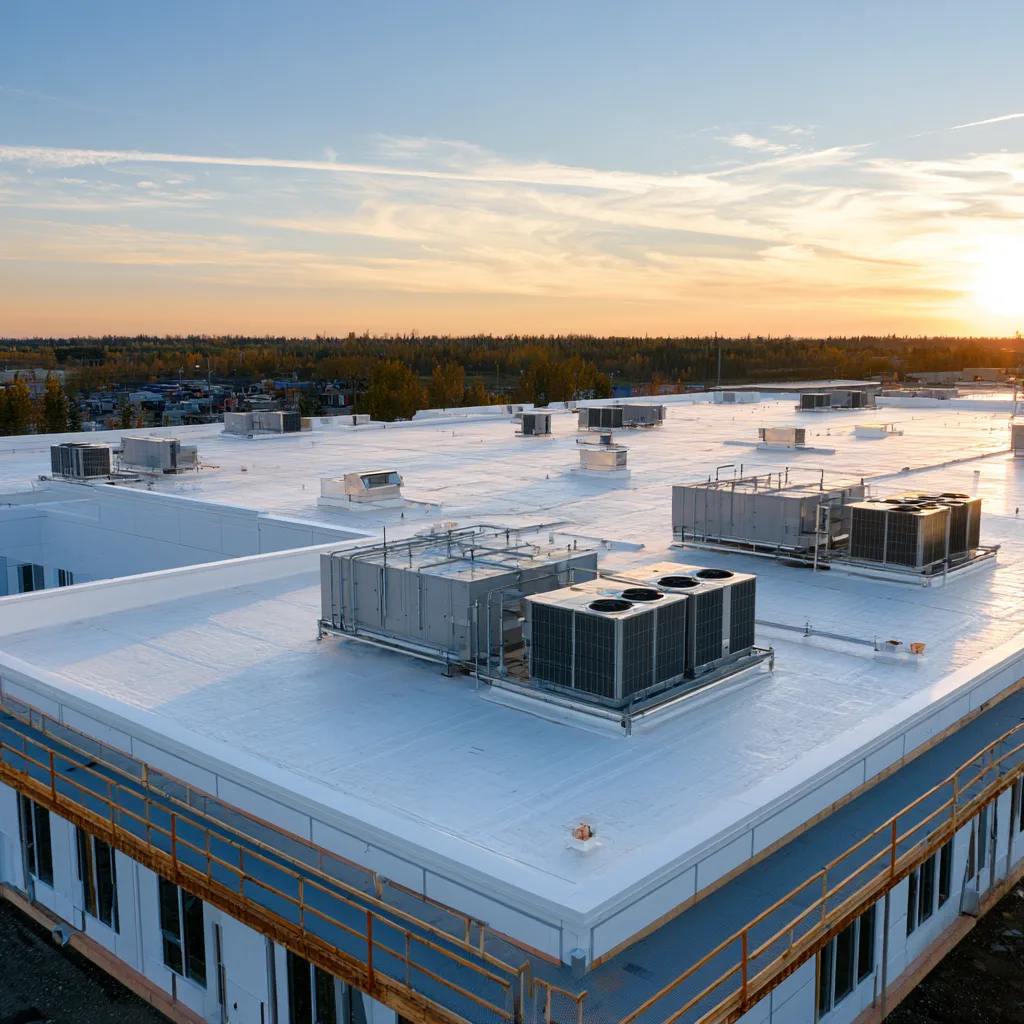
Help for leaking roofs, membrane repairs and planned commercial roof work. Start with the assembly’s condition and the way your building needs to operate.
A membrane can look serviceable across the open field while water enters at a seam, a drain or the flashing around rooftop equipment. The inspection needs to follow those details and determine whether moisture has reached insulation beneath the surface. A patch that leaves wet material in the assembly can leave a larger problem unresolved.
That condition separates a localized repair from restoration or replacement. A coating needs a suitable, prepared substrate and compatible details. Widespread wet insulation, a deteriorated deck or drainage defects can change the work well beyond applying another layer on top.
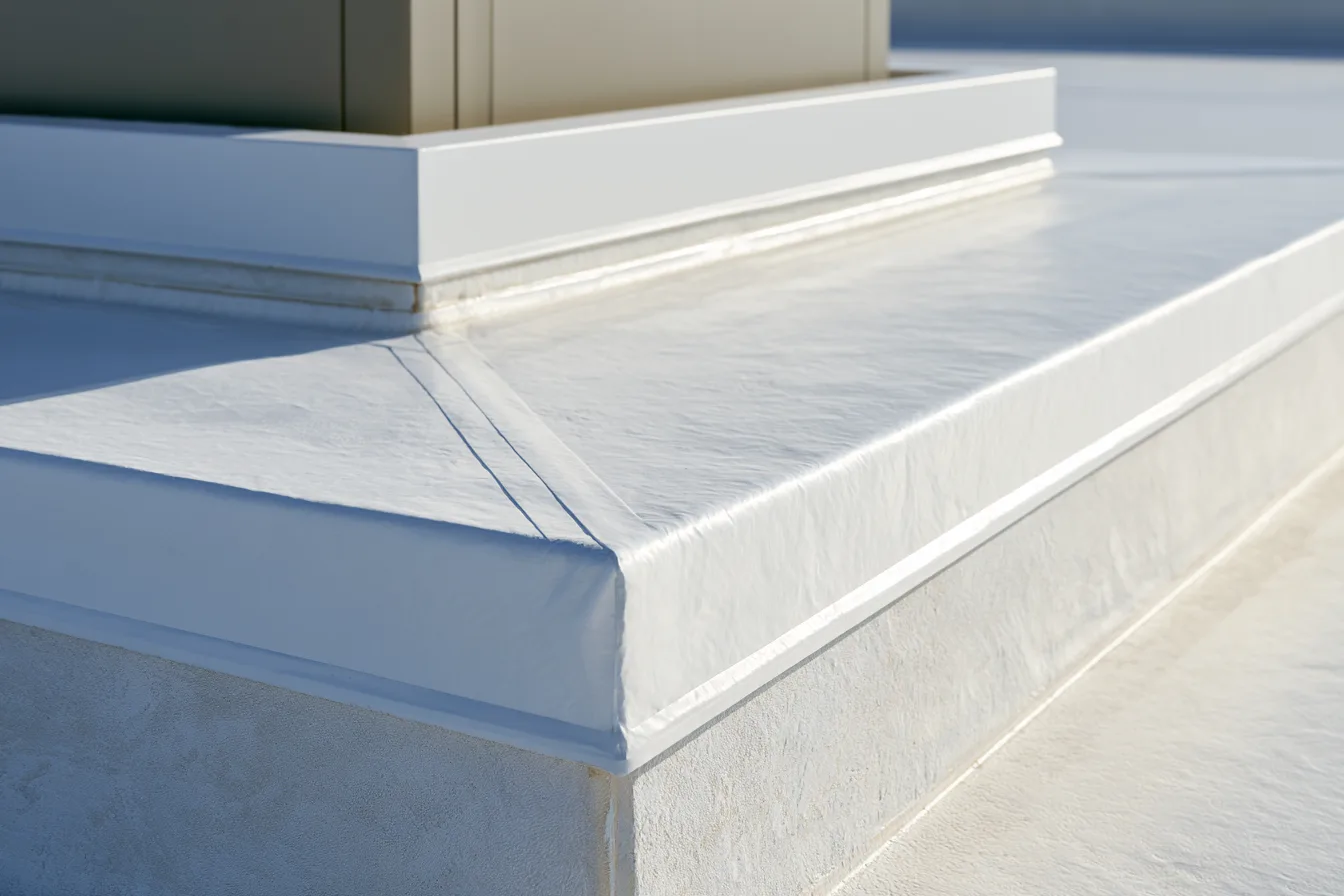
The inspection needs to establish the installed system and follow the places where water can enter. A membrane, metal roof and steep-slope shingle section need different repair materials and methods.
Damage, open laps and worn areas need to be assessed with the surrounding material. A repair must bond or connect to a surface that can support it.
Equipment supports, pipes and other openings interrupt the roof. Flashing needs to accommodate those shapes and connect to the field membrane.
Water needs an unobstructed route off the roof. An overflowing drain and a low area in the assembly may require different corrections.
Moisture in insulation or deterioration in the deck can widen the scope. Where concealed condition matters to the decision, additional assessment may be necessary before a restoration or replacement is specified.
The existing assembly determines which options are credible. These are scope distinctions, not a recommendation for an unseen building.
A seam repair, new membrane and coating restoration require different preparation and installation work.
Heat-welded seams, membrane attachment and roof details, with insulation and drainage beneath the surface.
Explore the detailsCandidacy, preparation and application requirements for restoring a suitable existing roof.
Explore the detailsLeak tracing at seams, equipment curbs, penetrations and drains, including the limits of another patch.
Explore the detailsRoof access, loading areas, equipment service and occupied rooms belong in the scope from the beginning. A repair above a closed storage area has different work constraints from one over a tenant's sales floor. Rooftop units may need access throughout the project, and roof work around them needs coordination.
Tell us if water is affecting an operating space or if there are access limits already in place. The roof assessment and the building's practical needs should shape the proposed work together. Scheduling, work zones and equipment access need to be agreed for the project so tenants and building staff know what to expect.
Roof upkeep needs to account for present conditions and later changes to the building.
Debris at a drain, repeated service traffic or a vulnerable equipment flashing can deserve specific attention after the initial work. A maintenance discussion should be grounded in those conditions, with clear responsibility for access and follow-up.
Keep future equipment work in the picture. New penetrations, altered curb details and traffic across unprotected membrane can change a roof that was previously sound. The appropriate roof protection and any required manufacturer procedures should be agreed before another trade changes the assembly.
A coating may form part of restoration after defects are repaired and the existing assembly is shown to be suitable. It cannot dry wet insulation or make a deteriorated deck sound.
Work arrangements depend on the building, access, roof system and scope. Identify occupied areas and equipment needs early so protection and scheduling can be agreed for that project.
No. TPO, PVC, EPDM and modified-bitumen systems use different materials and repair methods. The existing assembly must be identified before compatible repair or restoration work is selected.
Tell us about the leak or project and how the building is used. A free roof inspection starts the discussion of system condition, repair scope and practical access.