Roof insurance questions in Texas
Understand how roof damage, the roofing proposal and your insurance policy fit together. Coverage and payment depend on the actual policy and claim.
Understand what the policy is paying for
After roof damage, two decisions move alongside each other: what work the roof needs and what the policy pays. Keeping those decisions distinct makes the project easier to understand.
The roofer assesses the covering, details and affected layers. The insurer reviews the loss under the policy. Use the explanations below for the terms and responsibilities between those two parts, then request an inspection for the roof itself.

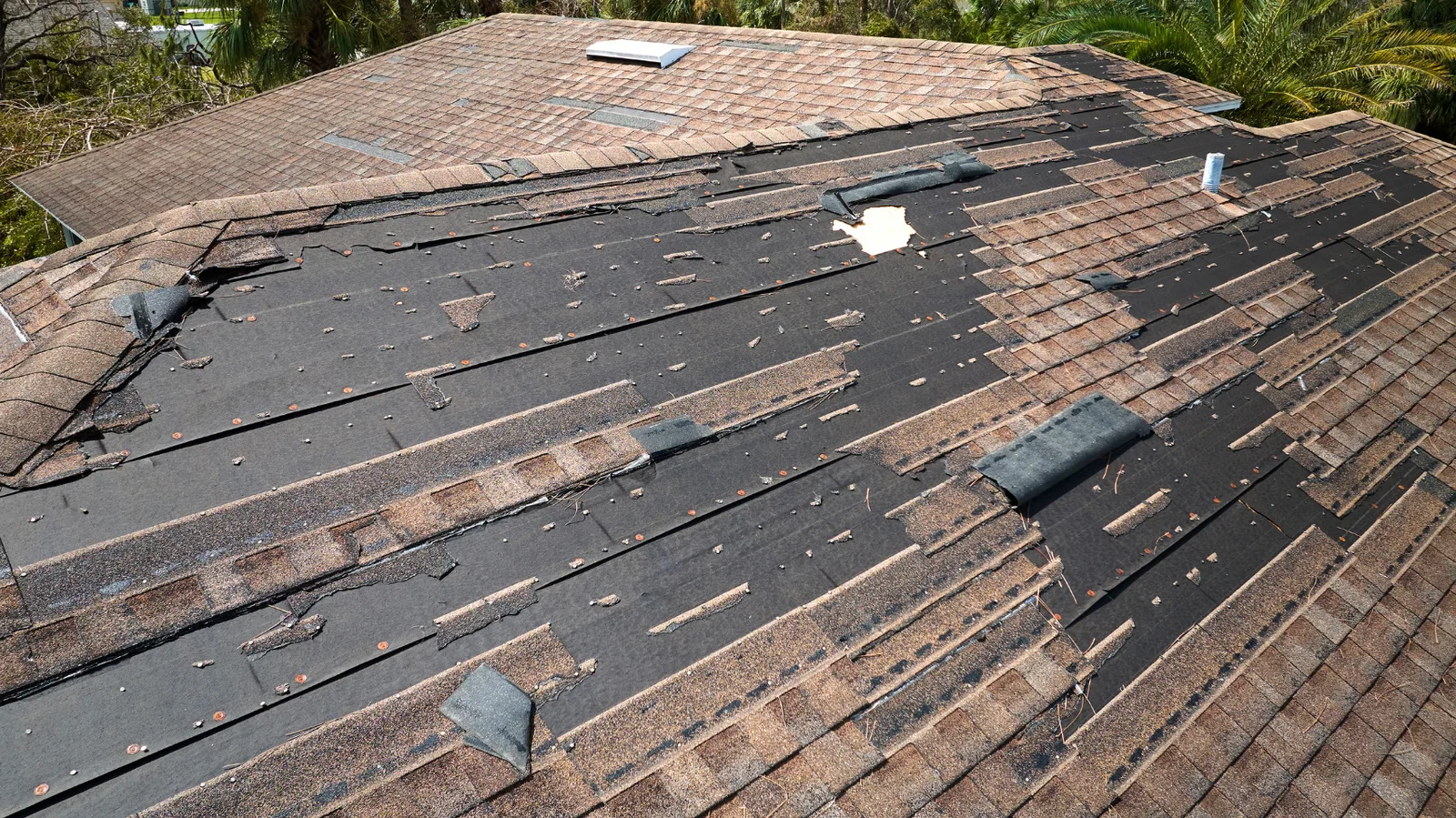
A damaged roof and a covered claim are different findings
Roof condition establishes the work. The policy establishes how an eligible loss is valued.
- The roof finding
A roof inspection explains the observed condition and the work needed to repair it. The insurer applies the policy to the loss. A roofer's repair recommendation does not decide coverage, and ordinary age or wear does not by itself entitle a homeowner to a new roof.
- The policy’s payment basis
The Texas Department of Insurance explains that roof coverage can use replacement cost or actual cash value. Actual cash value reflects depreciation; wind and hail may also have a different deductible from other losses. Those terms affect the amount paid even when damage is covered. Read TDI's roof insurance guidance for the policy distinctions.
Roof insurance terms that affect payment
The insurer or agent can explain how these provisions apply to the policy in force when the loss occurred.
Protect the property and keep a clear project record
- Safe temporary protection
TDI recommends prompt reporting, documenting damage and taking reasonable steps to keep it from getting worse. Temporary protection and related receipts can matter to the claim. Do not climb onto a damaged roof to gather evidence; the roof assessment and safe protection belong with appropriate help.
- Physical scope and chosen upgrades
If the roofing proposal and the insurer's estimate describe different work, the difference needs a clear explanation. A newly exposed damaged deck is a physical scope issue; a chosen material upgrade is a different issue. Keep those items distinct when the additional information is discussed with the insurer.
- The insurer’s review and payment
TDI's claim-payment steps explain the insurer's review and payment process. The policy requirements, evidence and insurer's claim decision govern payment.
The deductible remains part of the project budget
The deductible and the project price need to stay visible in the payment arrangements.
- The policyholder’s responsibility
Texas law prohibits contractors from waiving an insurance deductible or helping a policyholder avoid it. Inflated estimates, rebates or credits used to conceal that amount do not make it disappear. The insurer may ask for proof of payment.
- A clear price for the offered work
TDI explains this directly in its deductible guidance. A roofing proposal should show the real work and real price, with the policyholder's responsibility kept clear.
Keep the roofing scope understandable
The proposal still needs to describe the work that will protect the house, regardless of how payment is arranged.
- The affected area
Identify what is being removed or repaired and how the work ties into the remaining roof.
- The complete assembly
For replacement, include tear-off, decking provisions, underlayment, flashing, edges and ventilation as applicable.
- Changes and upgrades
Separate newly discovered damage from elective selections. Explain how additional work is authorized and priced.
Texas roof insurance FAQs
Does an inspection guarantee an approved claim?
No. It explains roof condition and proposed work. The insurer decides coverage and payment under the policy.
Can I ask for roofing help before deciding whether to claim?
Yes. An inspection can establish the roof condition and repair options. Claim-reporting requirements remain a separate policy question for the insurer.
Is the insurance estimate automatically the contractor’s final scope?
No. The project agreement needs to state the actual work offered. Differences or additional damage need to be explained and addressed through the appropriate claim and project process.
Establish the roofing work first.
A free inspection helps clarify the damage and proposed repair. Keep that scope alongside your insurer’s coverage decision and payment terms.